
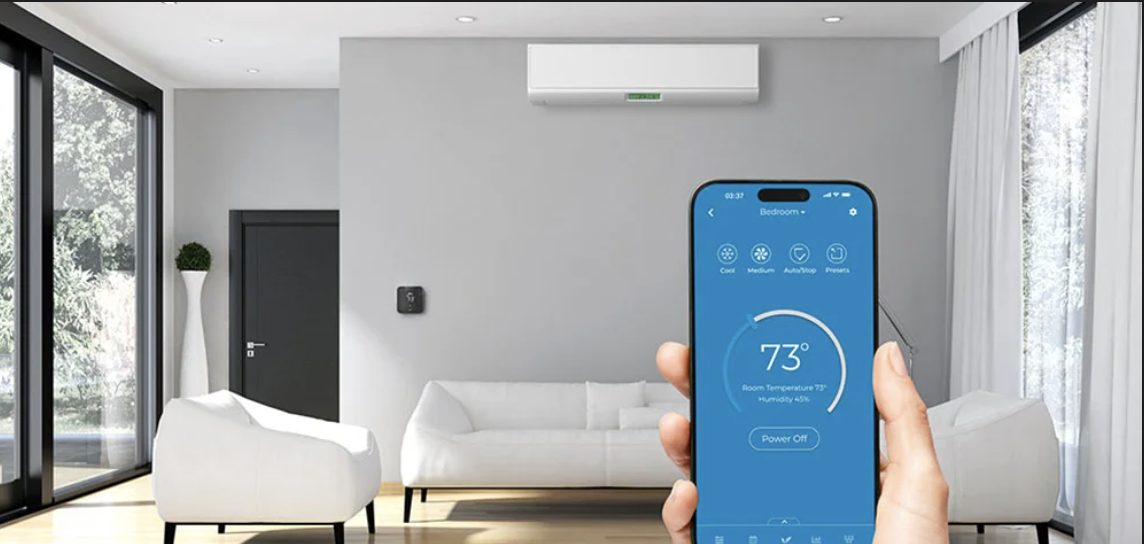
Creating the perfect indoor environment is about more than just setting a temperature on the thermostat and walking away. It is about crafting a space that feels consistently comfortable, promotes good health, and operates efficiently to keep energy costs down. Whether you are battling the sweltering heat of summer or the biting chill of winter, maintaining an ideal indoor climate requires a multifaceted approach.
Many homeowners struggle with hot spots, cold drafts, or humidity levels that make the air feel heavy or overly dry. These issues not only impact your comfort but can also affect the structural integrity of your home and the health of your family. By implementing a few strategic solutions, you can transform your living space into a sanctuary of comfort. Here are six reliable ways to maintain an ideal indoor climate year-round.
1. Upgrade to a Smart Thermostat
One of the most effective ways to gain control over your indoor climate is by upgrading to a smart thermostat. Unlike traditional manual thermostats, which simply react to the current temperature, smart devices learn your habits and preferences over time. They can automatically adjust the temperature based on when you are home, asleep, or away at work, ensuring you aren’t paying to heat or cool an empty house.
Data from the U.S. Department of Energy suggests that homeowners can save as much as 10% a year on heating and cooling by simply turning their thermostat back 7°-10°F for 8 hours a day from its normal setting. A smart thermostat automates this process. Furthermore, many of these devices allow for remote access via smartphone apps, giving you the power to adjust your home’s climate from anywhere. If a sudden heatwave strikes while you are at the office, you can cool the house down before you even step through the door.
2. Prioritize Proper Insulation and Sealing
Your heating and cooling systems can work as hard as possible, but if your home is poorly insulated, that conditioned air will escape, and uncomfortable outdoor air will seep in. Insulation acts as a thermal barrier, keeping heat out during the summer and retaining it during the winter. It is crucial to check the insulation levels in your attic, walls, and floors, as these are the primary areas where heat transfer occurs.
In addition to insulation, sealing air leaks is vital. Small gaps around windows, doors, and ductwork can cumulatively equal leaving a window wide open year-round. Using weatherstripping around doors and caulking around window frames can significantly reduce drafts. This not only stabilizes indoor temperatures but also reduces the workload on your HVAC system, extending its lifespan.
3. Manage Indoor Humidity Levels
Temperature is only half the battle when it comes to indoor comfort; humidity plays an equally significant role. High humidity can make a room feel stuffy and warmer than it actually is, while low humidity can lead to dry skin, irritated respiratory tracts, and static electricity. The ideal indoor humidity level generally falls between 30% and 50%.
To manage this, consider integrating whole-home humidifiers or dehumidifiers into your HVAC system. In the summer, a dehumidifier helps the air feel cooler, allowing you to set your thermostat higher without sacrificing comfort. In the winter, a humidifier adds necessary moisture to dry, heated air, making it feel warmer and more comfortable.
4. Ensure Professional Installation and Sizing
No amount of maintenance can fix a system that was incorrectly installed or poorly sized for the home. An oversized unit will cycle on and off too frequently, failing to dehumidify the air properly, while an undersized unit will run constantly without ever reaching the desired temperature. When it is time to replace your system, it is imperative to work with qualified professionals who perform load calculations to determine exactly what your home needs.
Regional climate differences also dictate the type of setup you need. For instance, a homeowner in a tropical region has different needs than someone in a desert or mountain valley. Ensuring you have access to expert services is key; whether you need boiler repair in a snowy town or air conditioning installation in Cottonwood Heights, professional sizing and installation are the foundation of a reliable indoor climate.
5. Utilize Ceiling Fans for Air Circulation
Ceiling fans are a simple yet highly effective tool for maintaining comfort. While they do not lower the actual temperature of a room, they create a wind-chill effect that makes you feel cooler. This allows you to raise the thermostat setting by about 4°F with no reduction in comfort, according to energy experts.
However, many people forget that ceiling fans can be useful in the winter as well. Most fans have a switch on the motor housing that changes the direction of the blades. By running the fan in reverse (clockwise) at a low speed, you can gently push warm air that has risen to the ceiling back down into the living space, improving heat distribution without creating a draft.
6. Commit to Routine HVAC Maintenance
The reliability of your indoor climate is directly tied to the health of your HVAC system. Neglecting regular maintenance is a leading cause of system inefficiency and failure. A clogged air filter, for example, restricts airflow, forcing the system to work harder and use more energy. It is recommended to check filters monthly and replace them at least every three months.
Beyond filters, scheduling professional tune-ups twice a year—once before the cooling season and once before the heating season—is essential. Technicians can identify and fix minor issues, such as loose electrical connections or low refrigerant levels, before they balloon into costly repairs. Regular maintenance ensures your system runs at peak efficiency, providing consistent temperature control and better air quality.
Conclusion
Achieving an ideal indoor climate is a balance of technology, structural integrity, and consistent care. By leveraging smart technology, ensuring the physical envelope of your home is sealed, managing humidity, and relying on professional expertise for installation and maintenance, you can create a home environment that remains a comfortable refuge regardless of the weather outside. Taking these proactive steps today will lead to a more comfortable, energy-efficient, and healthy home for years to come.
