
Key Takeaways
- Integration of smart devices significantly enhances home security.
- Advanced technologies like AI and biometric authentication provide robust protection.
- Regular updates and maintenance are crucial for the optimal performance of smart security systems.
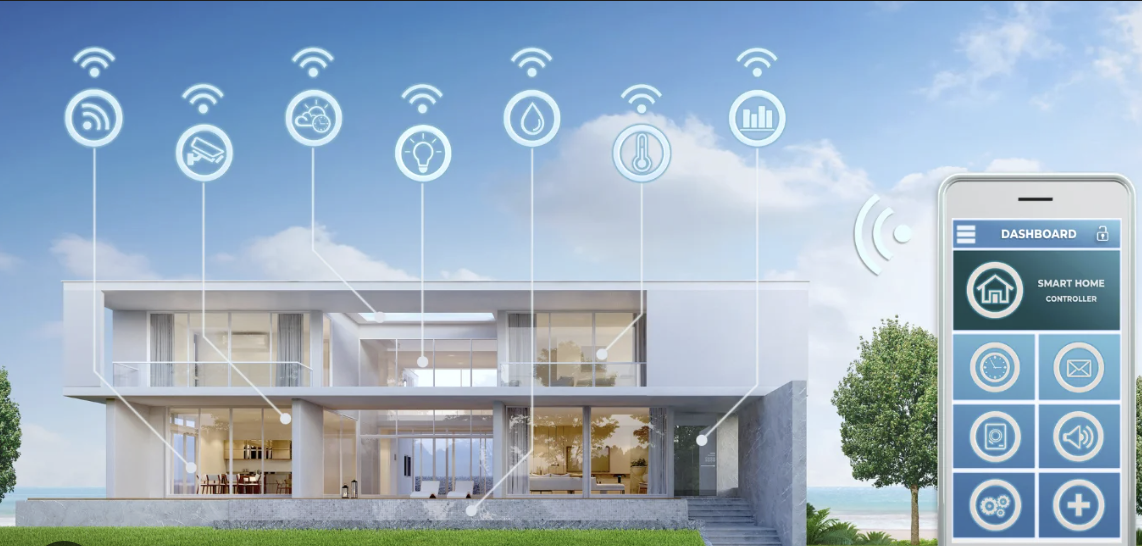
Creating a safer living environment has become a priority for many households as technology and daily routines continue to evolve. From fire prevention devices to advanced surveillance systems, homeowners now have access to a wide range of tools designed to reduce risks and improve peace of mind. Thoughtful planning, regular maintenance, and the right combination of safety features can help prevent common household accidents while supporting a more secure lifestyle. Understanding how these systems work together is an important first step in making informed decisions.
Modern safety measures often include smart alarms, motion sensors, leak detectors, and automated lighting that can be monitored remotely. These features not only enhance protection but also provide real-time alerts when potential hazards arise. For readers who want to explore additional guidance and practical recommendations, click here to learn more about ways to strengthen everyday home safety habits and build a more resilient household environment.
Smart Surveillance Cameras
Smart surveillance cameras have revolutionized home monitoring by offering real-time video feeds accessible from anywhere. These devices often come equipped with motion detection, night vision, and high-definition recording capabilities. For example, the Reolink TrackFlex Floodlight WiFi camera features dual lenses for comprehensive tracking and adaptive lighting, enabling homeowners to proactively monitor their surroundings in any lighting conditions.
Biometric Smart Locks
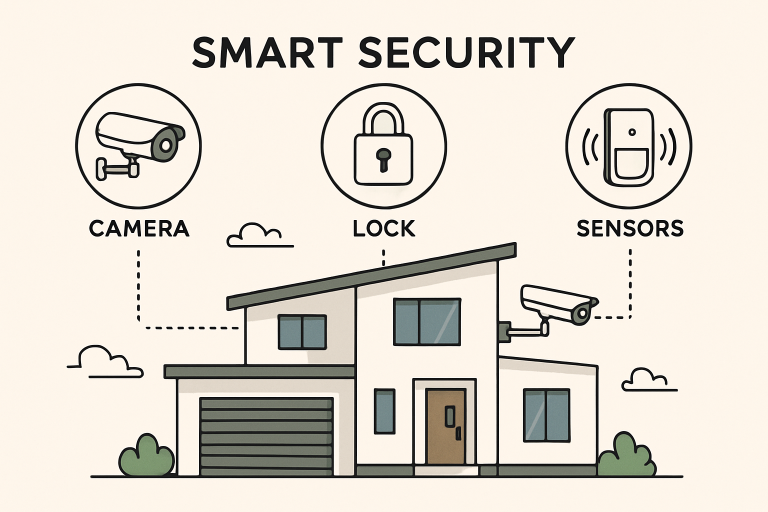
The next evolution in secure entry is biometric smart locks, which use fingerprint or facial recognition. Unlike traditional key systems, biometric locks make it nearly impossible for unauthorized persons to gain entry. These locks often pair with apps or security hubs for flexible management, allowing users to grant or revoke access remotely. Integration with security cameras and alarm systems makes it easy to log every entry and exit, enhancing peace of mind and convenience for busy households.
AI-Powered Security Systems
Artificial Intelligence has raised the bar for identifying suspicious activity and minimizing false alarms. AI-powered security systems can distinguish between people, animals, and vehicles, so they only alert you to significant events. One standout is ReoNeura AI, which facilitates natural-language video search; owners can look up footage by descriptions such as “white car” or “dog in backyard.” This streamlines the process of reviewing hours of video and ensures nothing important is missed.
Smart Doorbells
Smart doorbells, equipped with built-in cameras and two-way audio, allow homeowners to communicate with visitors from anywhere. Alerts are sent directly to a mobile device when someone approaches the door, letting you see and speak to persons in real time. Many of these systems offer video recording and snapshot capabilities, providing both live and historical context about who has come to your home.
Integrated Security Systems
For those seeking comprehensive protection, integrated security systems represent the pinnacle of modern home safety. These solutions go beyond individual devices by combining sensors, cameras, smart locks, and alarms into one ecosystem. For instance, SECURAM’s Complete Smart Home Security Solution features AI-enabled doorbells, intelligent gate locks, and a failsafe hub siren. Such systems defend against both predictable incidents, like break-ins, and unexpected hazards, ensuring continuity of coverage.
Regular Maintenance and Updates
Like any electronic system, maintenance is vital for reliable performance. Regularly updating firmware patches, vulnerabilities that could otherwise be exploited by cybercriminals. Cleaning camera lenses, testing alarm responses, and changing access codes also keep your systems operating at their best. Homeowners are encouraged to schedule periodic security audits to make sure all devices are functioning properly and integrated smoothly.
Privacy Considerations
Adopting smart home technology requires greater attention to privacy. It’s important to review each device’s privacy policies and limit unnecessary data sharing. Many reputable manufacturers offer features that help manage what information is collected and stored. Setting strong passwords and enabling two-factor authentication can prevent unauthorized access to your accounts and safeguard your family’s personal details.
Conclusion
Embracing smart home safety solutions allows today’s homeowners to achieve a level of security and convenience once thought impossible. Integrating innovative technologies such as AI, biometrics, and comprehensive security systems helps create a safer, more responsive living environment. By keeping devices up to date, being proactive with maintenance, and remaining mindful of privacy concerns, families can transform their homes into secure sanctuaries for years to come.
