
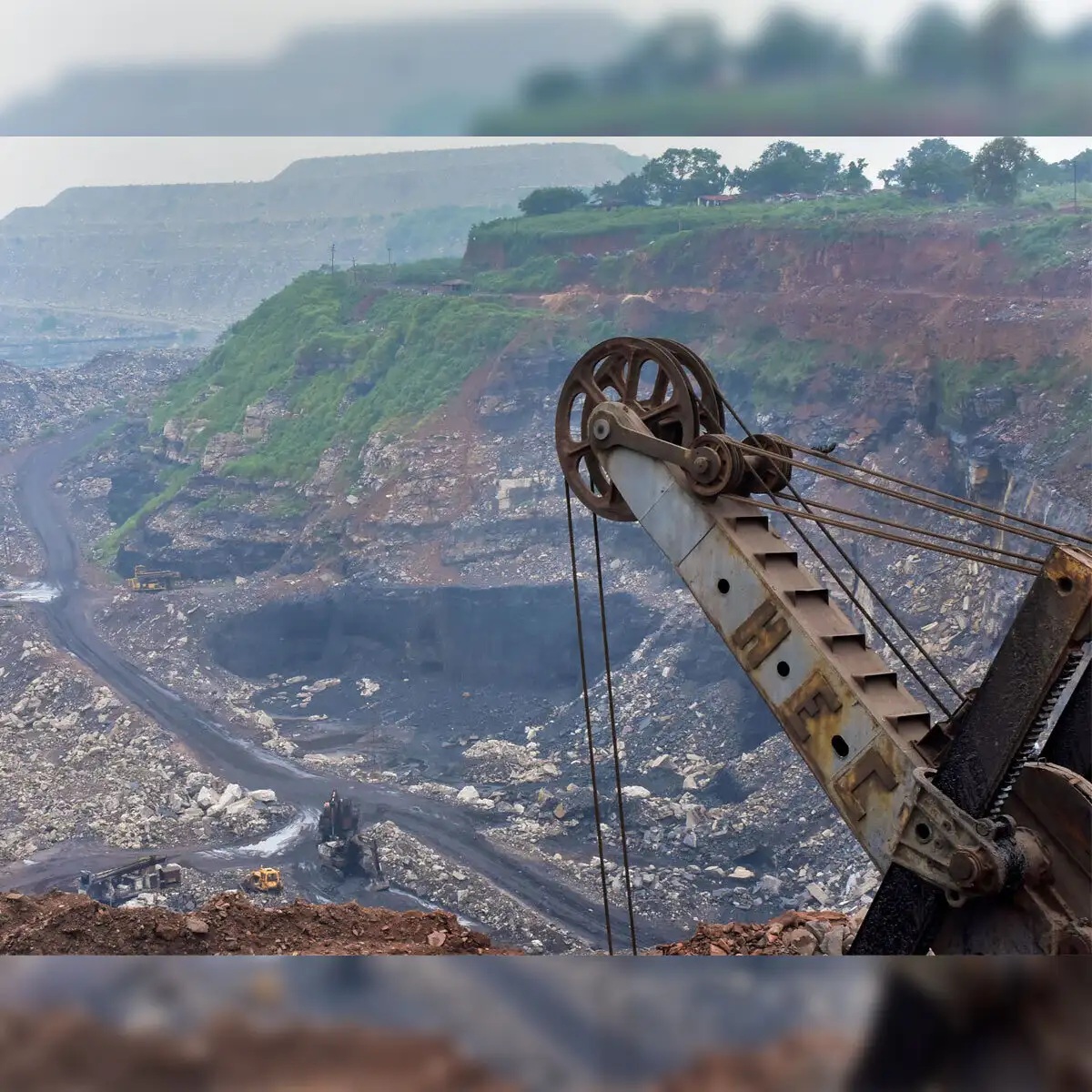
Coal extraction is just the first step; the real challenge is safely and efficiently transporting millions of tons. Delays can hurt profitability, making an efficient supply chain critical. Transport teams must also address risks like coal dust, combustibility, and environmental impact.
Primary Methods of Coal Transport
Choosing the right mode of transport depends on volume, distance, and terrain. Most operations utilize a multi-modal approach, transferring coal from one vehicle to another to reach the final customer.
Conveyor Systems
For short to medium distances—typically moving material from the mine face to a processing plant or a railhead—conveyor belts are the industry standard. They offer a continuous flow of material, which eliminates the “wait time” associated with trucks. Modern overland conveyors can stretch for miles, navigating difficult terrain that would be treacherous for wheeled vehicles. They are generally more energy-efficient than trucks and release fewer emissions per ton, though the upfront infrastructure investment is significant.
Trucking
Truck haulage provides flexibility that fixed infrastructure cannot match. Heavy-duty haul trucks are essential for moving coal within the mine site or for short-haul deliveries to nearby power stations. They allow operators to adjust routes instantly based on mine planning changes. However, relying on trucks for long-distance transport is rarely economically viable due to fuel consumption, tire wear, and labor costs.
Rail Transport
Rail is the backbone of the global coal industry. For long-distance inland transport, trains offer the best balance of cost and capacity. A single unit train can carry upwards of 15,000 tons of coal. Rail infrastructure requires massive capital investment and regular maintenance, but its ability to move massive volumes reliably makes it indispensable for connecting inland mines to coastal export terminals.
Barges and Ships
Once coal reaches a port or a navigable river, water transport becomes the most cost-effective method per ton-mile. River barges transport significant volumes through inland waterways, while massive bulk carrier ships facilitate international trade. This method requires specialized loading and unloading infrastructure at ports to manage the transfer from rail to ship efficiently.
Best Practices in Handling Procedures
Moving coal isn’t just about displacement; it is about quality control. Improper handling can degrade the coal, reducing its heating value, or create safety hazards.
Preventing Degradation
Coal is brittle. Every time it is dropped, transferred, or crushed, it breaks down into smaller pieces, known as “fines.” An excess of fines can cause blockages in chutes and create severe dust issues. To mitigate this, operators use “soft loading” techniques. This involves minimizing the drop height at transfer points and using curved chutes that allow the coal to slide rather than fall, preserving the particle size distribution.
Storage and Stockpiling
Stockpiling allows mines to continue production even if transport is delayed, acting as a buffer in the supply chain. However, storing coal requires vigilance. Coal is susceptible to spontaneous combustion—a phenomenon where the coal reacts with oxygen, heats up, and eventually ignites.
To prevent this, stockpile managers must compact the coal layers to squeeze out oxygen. They also monitor the temperature of the piles regularly. If a “hot spot” is detected, the coal must be moved and spread out to cool down, rather than sprayed with water, which can sometimes accelerate the reaction or degrade the fuel quality.
Moisture Control
Moisture is the enemy of coal value. Water adds weight without adding energy, meaning buyers pay for shipping water rather than fuel. Furthermore, wet coal can freeze in rail cars during winter, making unloading impossible without expensive thawing sheds. Handling procedures often include covered storage or chemical surfactants that help shed water during transport.
Essential Machinery for Logistics
The machinery used to move coal is specialized and massive. It must be robust enough to handle the abrasive nature of the mineral and reliable enough to operate 24/7.
Stackers and Reclaimers
In the stockyard, stackers utilize conveyor belts to pile incoming coal into organized rows. Reclaimers do the opposite; they use large bucket wheels to scoop the coal back onto conveyors for shipping. These machines are often automated, ensuring the pile is built and reclaimed systematically to maintain a consistent blend of coal quality.
Tipplers and Car Dumpers
At the destination, time is money. Rail cars need to be emptied in seconds, not minutes. Rotary car dumpers, or tipplers, clamp onto a rail car and rotate it upside down, emptying the contents into a hopper below without uncoupling the train. This allows for continuous unloading loops that keep the logistics chain moving.
Safety Considerations
While heavy machinery drives productivity, it introduces risk. Operators must adhere to strict lockout/tagout procedures during maintenance. Furthermore, the coal mining equipment used in transport must be fitted with fire suppression systems and emergency braking mechanisms to handle the massive loads on steep mining roads.
Environmental Considerations
Transporting coal impacts the environment, and modern regulations demand strict controls to mitigate these effects. The primary concern during transport is fugitive dust.
Dust Suppression
Coal dust is not only a respiratory hazard for workers and nearby communities; it is also a loss of product. During rail transport, wind can strip tons of coal dust from the tops of open rail cars. To combat this, operators apply chemical “tackifiers” or crusting agents to the top of the loaded cars. This creates a hard shell that prevents the wind from lifting the dust.
At transfer points and on conveyors, water spray systems fog the air to capture airborne particles and force them back onto the belt.
Noise and Water Management
Heavy rail and trucking operations generate significant noise. Mines and transport hubs often construct sound berms—large earthen walls—to shield local communities from the acoustic impact. Additionally, runoff water from coal stockpiles can become acidic or laden with heavy metals. Facilities must employ lined storage areas and catchment ponds to treat this water before it is released back into the environment or reused in the suppression systems.
Conclusion
Coal logistics are increasingly leveraging automation and data analytics to maximize efficiency. Key advancements include the use of autonomous haul trucks to improve safety and smart sensors on conveyor belts that predict mechanical failures to prevent downtime.
