
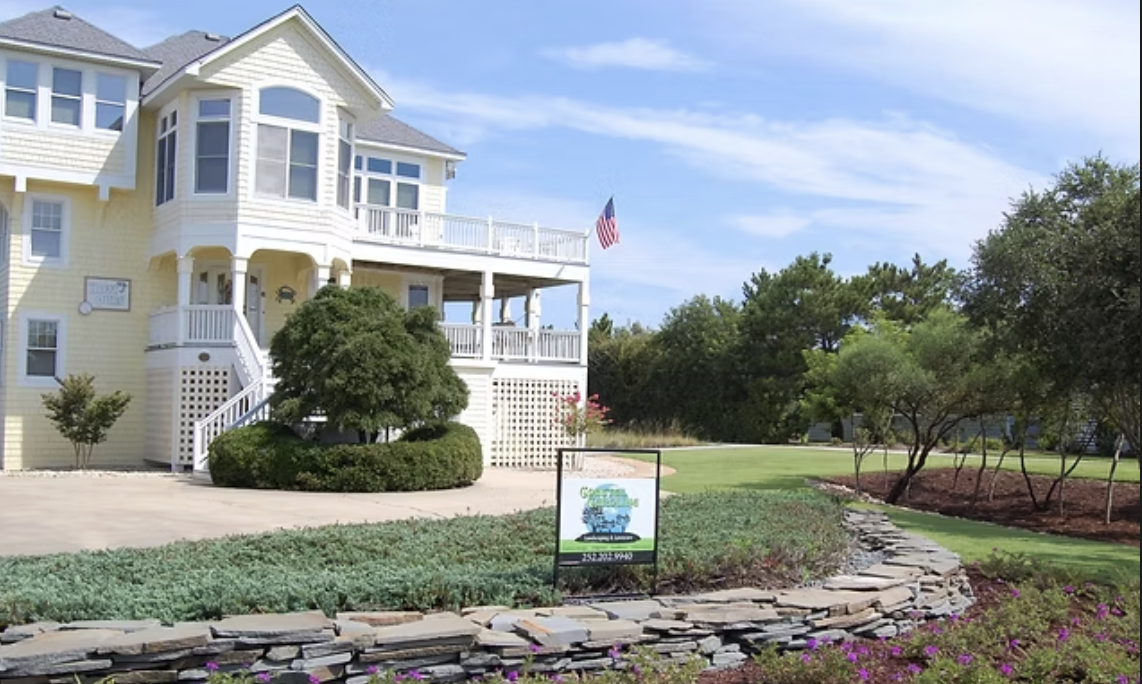
Post Preview
Key Takeaways
- The Outer Banks’ coastal climate requires landscaping solutions designed for sandy soils, salt exposure, and shifting weather patterns.
- Native plants are essential for sustainability, offering low maintenance, water efficiency, and vital support for local wildlife.
- Soil conservation techniques help prevent erosion and protect fragile coastal ecosystems.
- Smart water management reduces waste, supports healthy growth, and minimizes runoff during heavy storms.
- Eco-friendly hardscaping blends durability with environmental responsibility while enhancing outdoor functionality.
- Partnering with experienced local professionals ensures long-lasting, resilient landscapes tailored to coastal North Carolina.
Introduction
The Outer Banks of North Carolina offer a one-of-a-kind coastal environment that presents unique opportunities and challenges for homeowners who value both beauty and sustainability. Creating thriving landscapes in this region requires a thoughtful, eco-friendly approach that balances aesthetics and conservation. By employing methods that prioritize native plantings, soil stability, and water efficiency, residents can enjoy both vibrant outdoor spaces and the peace of mind that comes from protecting local ecosystems.
Homeowners who prefer hands-on expert guidance often partner with professional landscaping in Outer Banks and Coastal North Carolina. Albemarle Landscapes and Tree Service is a locally trusted authority with decades of regional experience. Their dedicated team specializes in applying environmentally conscious landscaping techniques tailored to Outer Banks and coastal areas, including native plant selection, sustainable hardscaping, soil conservation, and water management. Serving communities throughout the Outer Banks and nearby coastal towns, Albemarle Landscapes and Tree Service sets industry standards for quality and eco-friendly practices through exceptional client service and expertise.
Understanding the Coastal Environment
The Outer Banks is a series of barrier islands shaped by sandy soils, salt-laden breezes, and seasonal weather patterns. These environmental factors call for landscape solutions that can withstand salt spray, shifting sands, and periods of both drought and heavy rain. Materials and plants must be chosen for their durability and adaptability to protect and nurture the fragile coastal habitat. Landscaping decisions made here directly impact shoreline stability, local wildlife, and the broader ecosystem’s resilience.
Native Plant Selection
Utilizing native plants is a fundamental strategy in eco-conscious landscaping, especially in a region as distinct as the Outer Banks. Native species, such as sea oats, wax myrtle, and coastal goldenrod, thrive in the area’s climate and soils. They naturally require less irrigation and fertilizer, making them more sustainable choices for property owners. Additionally, planting natives supports regional pollinators and birds, boosting ecological health.
Soil Conservation Techniques
Soil erosion poses a significant threat in coastal landscapes due to wind and water movement. Limiting soil loss starts with ground covers such as dune grasses or creeping juniper that root deeply and hold sand in place. The use of erosion control fabrics and well-designed rain gardens can also reduce runoff and encourage groundwater recharge. Laying organic mulch around beds further insulates the soil, maintains moisture levels, and slowly adds nutrients as it decomposes, improving overall soil vitality.
Water Management Strategies
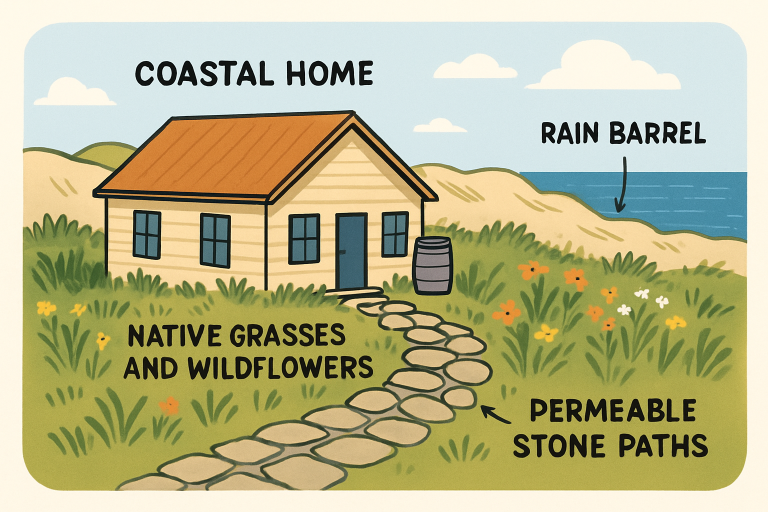
Efficient water use is at the heart of sustainable landscaping in the Outer Banks. Drought-tolerant species significantly minimize reliance on irrigation systems. For existing lawns and plants, drip irrigation and rain barrel installation provide targeted, low-waste hydration. Choosing permeable paving solutions, such as gravel or porous pavers, allows rainfall to soak into the earth, reducing surface runoff and helping replenish local aquifers. These measures also mitigate flooding risks linked to heavy storms.
Eco-Friendly Hardscaping
Hardscape features can be both attractive and sustainable with the right approach. Locally sourced or recycled materials for patios, retaining walls, and paths reduce carbon footprints while blending naturally with the surroundings. Permeable surfaces such as shell, pea stone, or modular permeable pavers allow water to flow through, protecting against erosion and supporting healthy landscapes. Eco-friendly hardscaping is not only environmentally responsible but also enhances the overall charm and functionality of coastal properties.
Community Initiatives and Resources
Many regional organizations actively promote sustainable landscaping efforts. One noteworthy initiative, the Clean Coast Initiative Foundation, supports projects like native plant installations and dune stabilization to safeguard the fragile coastal waters and beaches of the Outer Banks. Their programs encourage homeowners, local businesses, and volunteers to participate in stewardship efforts.
Professional Landscaping Services
Achieving the perfect balance between beauty, utility, and stewardship often requires expert help, particularly in a dynamic environment like the Outer Banks. Landscape professionals with regional expertise can recommend the most resilient plant communities, implement erosion control measures, and design water-smart landscapes tailored to specific microclimates. Working with providers who are dedicated to eco-friendly practices ensures that landscapes remain vibrant and sustainable for years to come.
Final Thoughts
Embracing eco-conscious landscaping practices in the Outer Banks is about more than creating visually appealing yards. It is a commitment to protecting the natural beauty and ecological health of a cherished region. By choosing native plants, practicing soil and water conservation, and supporting local sustainability initiatives, property owners play an essential role in shaping resilient, thriving coastal communities.
Frequently Asked Questions
- What are the benefits of using native plants in my landscape?
- Native plants require minimal maintenance, conserve water, and offer habitat for essential pollinators and wildlife.
- How can I prevent soil erosion in my coastal property?
- Adopt methods such as ground cover planting, erosion-control fabric, and rain gardens to retain soil and reduce runoff.
- Are there local resources available for eco-friendly landscaping?
- Organizations such as the Clean Coast Initiative Foundation provide support and education for sustainable landscaping in the Outer Banks.
