
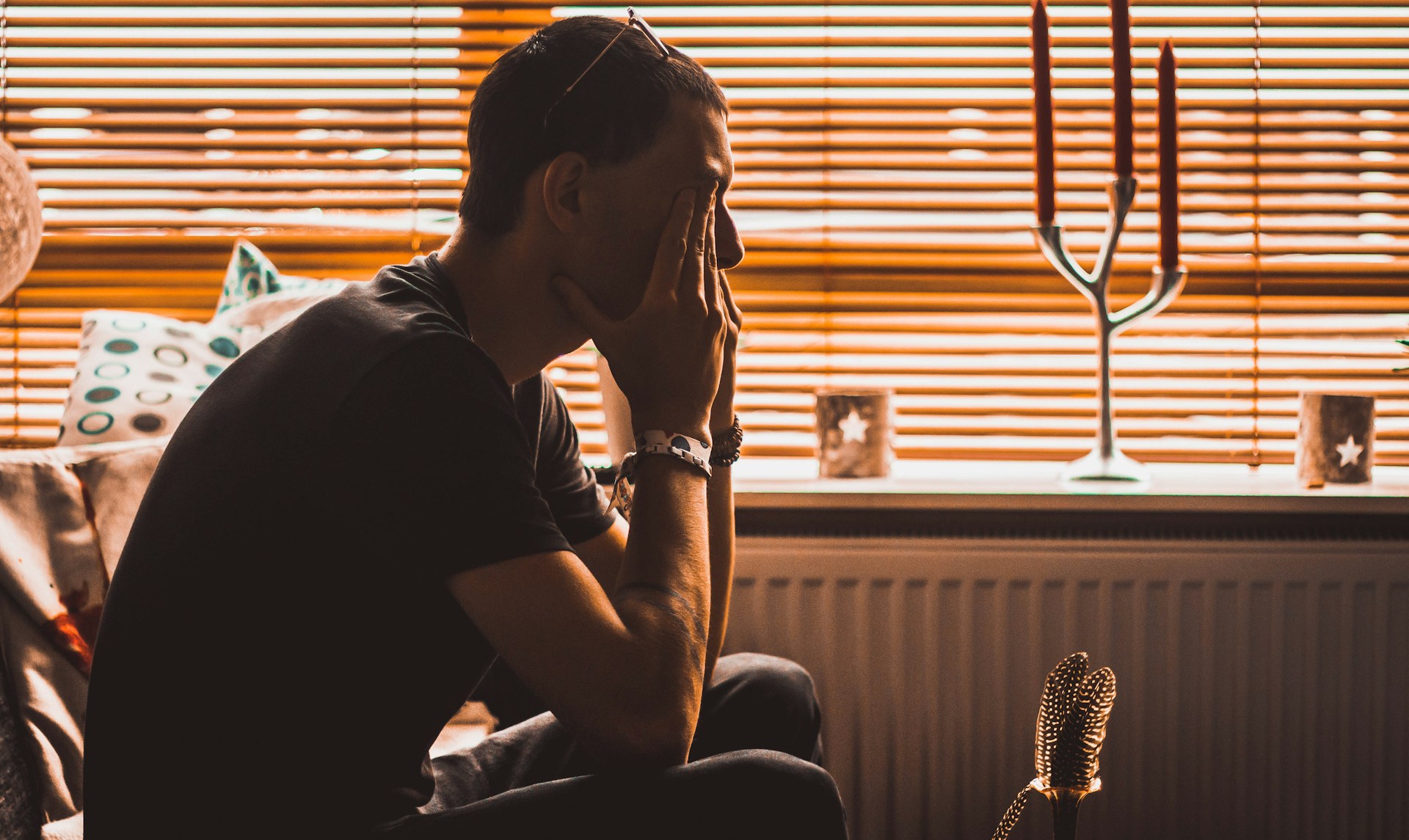
You think you are done. You feel okay. Then—bam—your body reminds you it’s not that simple. Jitters. Restlessness. Your brain won’t shut off. Some symptoms fade fast. Others cling, stubborn as hell. Confusing, right? That is why knowing the 7-OH withdrawal timeline helps. Not perfectly. Not magically. But enough to see what’s coming. To know it’s not random. Your body is just figuring itself out. Slowly.
Understanding the Body’s Reaction
Quitting a substance your body leaned on is like pulling the rug out from under yourself. Chemicals in your brain—dopamine, serotonin—they freak out. Suddenly normal things feel weird. You eat breakfast and crash two hours later. You try to walk, and your legs feel like lead.
Symptoms hit differently for everyone. Muscle aches, stomach upset, restlessness, trouble sleeping—they all appear in their own weird timing. Some show up fast. Others sneak in slowly. And yes, it is messy. Really messy. But it is normal. Your body is recalibrating. Slowly. Quietly. Even if it does not feel like it.
Sometimes, you even feel betrayed by your own body. One moment fine, next moment shaky hands, jittery nerves, racing thoughts. That is normal. Every wave of discomfort proves your system is adjusting. Your body is learning to work without what it’s leaned on for so long.
Emotional and Mental Symptoms
It is not just the body. Your brain joins the chaos too. Anxiety, irritability, sadness, frustration—they hit out of nowhere. One minute fine. Next, your thoughts spiral. Everything feels heavier than it should. Feels unfair, right? But your brain is just learning. Learning to manage life without what it is used to.
Emotions often stick around longer than physical symptoms. Energy might come back, but mood swings linger. You snap at small things. Or feel sad for no reason. Totally normal. Does not mean you are weak. Just means your brain is finding a new rhythm. Like teaching an old dog a new trick—it takes time. Accept it. Ride it. Each flare-up, each wave, is part of the process. Slowly, it eases.
Sometimes it even surprises you. You wake up feeling okay. By lunch, thoughts race. You spill coffee. Hands shake. Heart races. That is just your brain recalibrating. Nothing’s broken. It is adapting.
Factors That Affect Symptom Duration
Why do some people bounce back fast and others feel stuck forever? A few things matter.
- Type and dependence: Stronger dependence usually means longer symptoms.
- Duration of use: The longer you relied on it, the longer recovery takes.
- Biology: Everyone reacts differently. Some brains adjust faster than others.
- Daily habits: Sleep, nutrition, hydration, stress—they all affect recovery.
Even small changes help. Drink water. Eat something decent. Move a little—even gentle stretches. Sleep when you can. Tiny routines give your body some predictability when everything feels off. And predictability matters. You notice patterns—days when energy is okay, days when cravings hit hardest. Those insights reduce panic and frustration.
Even paying attention to tiny signals helps. After a restless night, cravings hit harder. After a good meal, moods stabilize. Little things matter more than you think
Recognizing Progress Despite Fluctuations
Recovery is not a straight line. Some days feel amazing. Others feel awful. Does not mean you are failing. Every little win counts. Made it through a craving without giving in? That is progress. Slept an extra hour? Another win. Handled stress without snapping? Progress too.
Symptoms rise and fall like waves. High one day, low the next. Seeing the pattern helps you cope. Noticing progress—even tiny things—builds confidence. Your body is adjusting. Your brain is learning. You are learning. Even if it does not feel like it. Each step forward, no matter how small, is proof of real change.
Wrapping It Up
Withdrawal is messy. The body and brain move at their own pace. Physical symptoms fade. Emotional ones linger. That is okay. Understanding what’s happening helps you manage expectations. Those cravings, those mood swings—they are not weakness. They are biology. Learning about the science of substance cravings shows that. Your brain is rewiring. Figuring out life without what it’s depended on. Every small step forward? That’s real progress. Even if it does not feel like it.
