
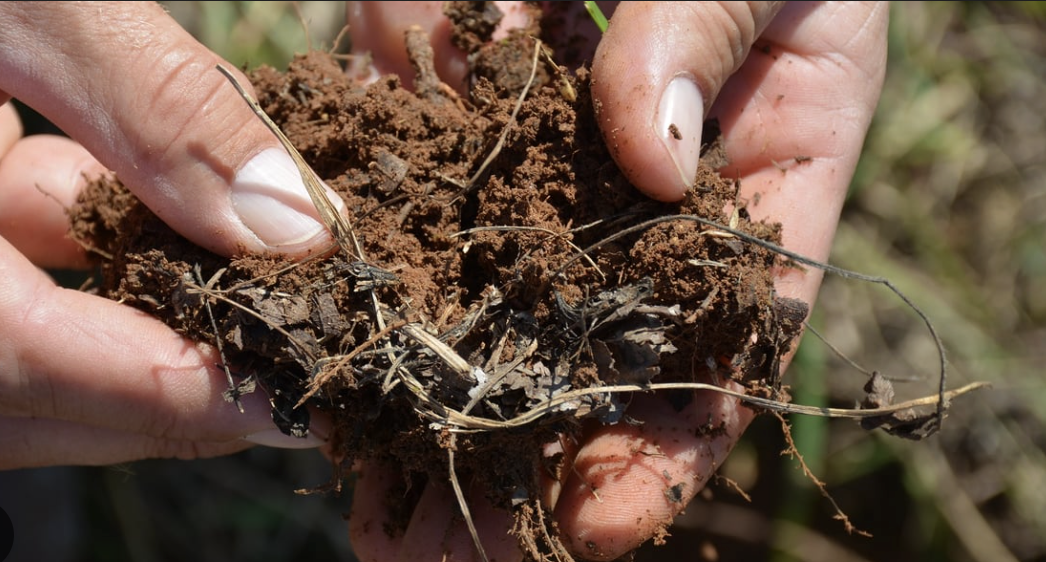
Gardening is often described as a journey of patience, but seasoned growers know that the true secret to a thriving garden lies beneath the surface. Soil is not just dirt; it is a complex, living ecosystem teeming with microorganisms, insects, and vital nutrients. When this ecosystem is balanced, plants flourish, resisting pests and diseases with surprising resilience. However, when soil health declines, even the most attentive watering and pruning schedules can fail to produce results.
The key to revitalizing tired, depleted earth is organic matter. Adding organic ground materials improves soil structure, enhances water retention, and provides a slow-release source of nutrition for plant roots. Whether you are dealing with heavy clay that won’t drain or sandy soil that won’t hold water, organic amendments are the great equalizer. By incorporating the right natural materials, you can cultivate a rich, dark loam that serves as the perfect foundation for everything from vegetable patches to ornamental flower beds. Here are six essential organic materials that can dramatically improve your soil health.
1. Finished Compost
Compost is frequently referred to as “black gold” by gardeners, and for good reason. It is perhaps the most versatile and beneficial soil amendment available. Finished compost is the product of decomposed organic matter—kitchen scraps, yard waste, and leaves—that has broken down into a stable, nutrient-rich substance called humus.
When mixed into the soil, compost improves texture and aeration, allowing roots to penetrate easily and breathe. It introduces billions of beneficial bacteria and fungi that help plants absorb nutrients more efficiently. Unlike synthetic fertilizers that provide a quick chemical jolt, compost releases nutrients slowly over time, ensuring a steady supply of food for your plants throughout the growing season. It also acts as a buffer for soil pH, helping to neutralize soils that are too acidic or too alkaline.
2. Wood Bark and Chips
For gardeners looking to improve soil structure over the long term while suppressing weeds, wood bark and chips are an excellent choice. These high-carbon materials decompose more slowly than compost or manure, making them ideal for use as a top dressing or mulch. As they slowly break down, they feed the soil food web, particularly fostering fungal networks which are beneficial for trees and shrubs.
Using bark as a mulch helps regulate soil temperature, keeping roots cool in the summer and insulated in the winter. It also drastically reduces water evaporation, which is crucial in arid climates. Homeowners and landscapers often seek out specific textures and sizes to match their landscape design. For example, utilizing large bark in Salt Lake City is a popular strategy for creating a rugged, natural aesthetic that stays in place during wind events while slowly enriching the underlying soil as it weathers.
3. Aged Animal Manure
Manure from herbivores like cows, horses, chickens, and sheep is a powerhouse of nitrogen, phosphorus, and potassium—the three primary nutrients plants need to grow. However, the key word here is “aged.” Fresh manure is often too strong and contains high levels of ammonia and salts that can “burn” tender plant roots and damage foliage.
Aged or composted manure has been allowed to sit and break down for several months to a year. This process stabilizes the nutrients and kills off potential pathogens and weed seeds. When incorporated into the soil, aged manure adds significant bulk, which helps sandy soils retain moisture and helps break up heavy clay particles. It is particularly effective in vegetable gardens where heavy feeders like tomatoes, corn, and squash require robust nutrient levels to produce a harvest.
4. Leaf Mold
Leaf mold is essentially compost made entirely from fallen leaves. It is distinct from regular compost because it decomposes largely through fungal action rather than bacterial heat. The result is a dark, crumbly, earthy-smelling material that is incredible for soil water retention. In fact, leaf mold can hold up to 500% of its weight in water, making it a savior for dry garden beds.
While leaf mold is lower in essential nutrients compared to manure or standard compost, its primary value lies in soil conditioning. It serves as a fantastic habitat for earthworms and beneficial soil organisms. Making it is as simple as piling autumn leaves in a wire bin or plastic bag and letting them sit for a year or two. The resulting material is gentle enough to use as a potting mix amendment or a top dressing for sensitive perennials.
5. Grass Clippings
If you have a lawn, you have a readily available source of nitrogen-rich organic matter. Fresh grass clippings are high in water content and break down very quickly. They can be sprinkled in thin layers directly onto vegetable beds or mixed into soil to provide a rapid injection of nitrogen.
However, caution is necessary when using grass clippings. First, ensure that the lawn has not been treated with persistent herbicides, as these can linger in the clippings and damage sensitive garden plants. Second, apply them in thin layers (an inch or less). If piled too thickly, wet grass clippings can mat down, become anaerobic, and produce a foul smell while blocking water from reaching the soil. When used correctly, they are a free and effective way to boost soil fertility.
6. Cover Crops (Green Manure)
Sometimes the best way to add organic material to the soil is to grow it right in place. Cover crops, such as clover, vetch, rye, or buckwheat, are planted not to be harvested for food, but to be tilled back into the earth. This practice is often called “green manuring.”
Leguminous cover crops like clover and vetch have the unique ability to pull nitrogen from the air and fix it into the soil nodules on their roots. When the crop is cut down and dug into the soil before it goes to seed, it releases that nitrogen for the next crop to use. Furthermore, the root systems of cover crops help prevent soil erosion during the off-season and break up compacted soil layers, improving drainage and aeration for future planting.
Conclusion
Improving soil health is not an overnight process, but the introduction of organic ground materials is the surest path to a sustainable and productive landscape. By integrating materials like compost, aged manure, and bark, you are essentially mimicking nature’s own cycle of renewal. These inputs foster a vibrant underground ecosystem that supports plant life from the root up. Whether you are amending a vegetable patch or maintaining a decorative landscape, feeding your soil with organic matter is the most impactful step you can take toward long-term gardening success.
