
Key Takeaways
- Plumbing training opens the door to stable, lucrative careers with strong job security and growth prospects.
- Comprehensive plumbing education addresses national labor shortages and drives local economic development.
- Modern plumbing curricula integrate sustainability and technology, making them relevant in a changing world.
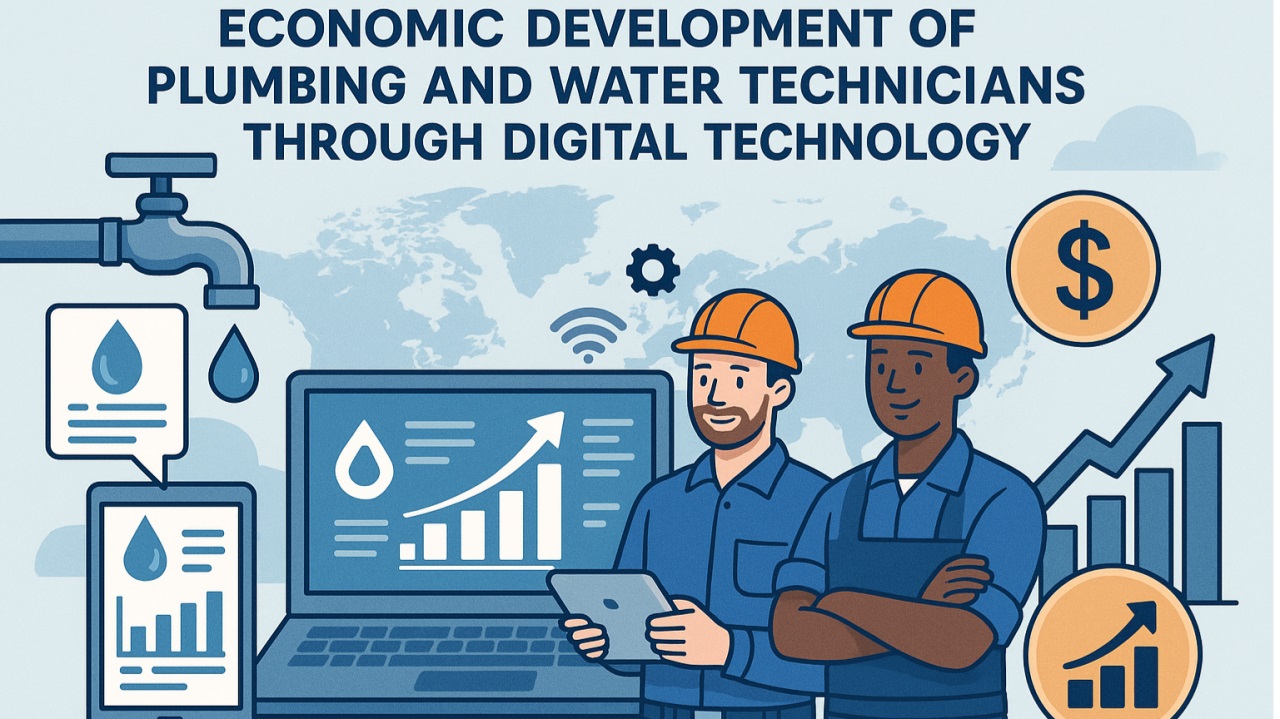
Plumbing training programs have emerged as transformative avenues for economic mobility, helping individuals gain practical skills that lead to rewarding careers. Unlike many traditional educational tracks that require extensive years and significant financial investments, plumbing programs make high-paying jobs accessible without the necessity of a four-year college degree. As communities search for reliable career opportunities, plumbing education stands out both for its practicality and its capacity to create economic stability for individuals and families.
These training initiatives equip students with essential hands-on experience and technical know-how. They also foster expertise in modern plumbing systems, safety standards, and sustainability practices, significantly increasing graduates’ employability and earning potential. As workforce demands shift, more people are finding that plumbing careers not only deliver job security but also support the economic foundations of entire regions.
Increasing investments in technical education resonate far beyond individual earning power. With the growing shortage of skilled tradespeople, community colleges and workforce organizations are filling a critical gap, creating a ripple effect that supports broader economic stability. These programs play a substantial role in revitalizing local economies, strengthening infrastructure, and ensuring that each new generation is prepared for evolving demands in the skilled trades sector.
Students who complete plumbing training often experience greater upward mobility. This can be seen in rising incomes, more consistent employment, and a higher likelihood of long-term financial security. These benefits make plumbing one of the most accessible and effective vehicles for economic advancement, especially for those seeking alternatives to traditional college education.
High Demand for Skilled Plumbers
The demand for well-trained plumbers is at an all-time high. According to recent research, increasing the plumbing workforce by just 16,400 employees could create more than 37,000 new jobs across multiple sectors and add nearly $3 billion to the national economy. This urgent need reflects both population growth and aging infrastructure, increasing the importance of technical education programs that can deliver a new generation of competent professionals.
Economic Benefits of Plumbing Careers
Beyond high demand, plumbing offers exceptional earning potential. Experienced plumbers frequently earn between $75,000 and $100,000 per year. These salaries rival those in many white-collar professions but are accessible to individuals who complete focused training and apprenticeships rather than four-year degrees. As a result, plumbing provides not only a path to immediate career entry but also lasting financial resilience, even during economic downturns. For more on earnings and job growth, see this U.S. Bureau of Labor Statistics overview.
Innovative Training Programs
Schools and training centers across the country are responding to the skills shortage with innovative, accessible education models. Valencia College, for example, was awarded a $500,000 grant from the Lowe’s Foundation to support new plumbing programs, focusing on quickly and effectively training students to meet dynamic workforce needs. In another example, pre-apprenticeship courses like those at the Fairfield County Workforce Center introduce high school seniors to valuable trade skills early, giving them a head start toward career success and advanced training opportunities.
Emphasis on Sustainability and Technology
As eco-conscious construction and smart home technologies gain traction, modern plumbing training keeps pace by integrating sustainability and digital innovation. Trainees are learning to install water-efficient fixtures, manage greywater recycling, and apply smart technology to plumbing installations. This approach means today’s plumbers not only meet traditional service needs but are also equipped to implement future-ready solutions that support environmental goals and modern efficiency standards.
Addressing Labor Shortages
Strategies to close the skilled trades labor gap often focus on education. The Lower Shore Workforce Alliance, among others, shows how targeted workforce investment funds support long-term community economic health by cultivating a new pipeline of qualified workers. By helping more people access plumbing training programs, regions can ensure the ongoing maintenance and expansion of critical water and sanitation infrastructure, which, in turn, supports new business growth, public health, and broader economic progress.
Community and Economic Impact
When training programs thrive, so do their communities. For instance, union-sponsored training initiatives in Washtenaw County contributed $23 million to the local economy in just one year by creating jobs, driving local spending, and supporting the regional tax base. Such investments translate into vibrant neighborhoods where wages and employment rates rise, consumer activity increases, and local businesses benefit from the steady demand for services and supplies.
Conclusion
Plumbing training stands out as a robust catalyst for economic mobility and community resilience. By providing streamlined, practical education for high-demand careers, these programs uplift individuals and strengthen local and national economies. Continued support and investment in plumbing education are essential for meeting workforce challenges, advancing sustainability, and ensuring a strong, dynamic future for skilled tradespeople and the communities they serve.
